Renting car in kaunas airport – a complete, no-stress guide for first-timers
Flying into Kaunas (KUN) is quick and easy; getting mobile should be the same. This guide walks you through renting car in kaunas airport from the moment you land to the moment you return the keys—what paperwork you need, how deposits and insurance usually work, where to pick up and drop off, and how to keep the bill predictable. It’s written to reflect real terms offered at Kaunas Airport today, paraphrased into plain English so you can make fast, confident choices.
Why renting car in kaunas airport makes sense
Public transport is reliable in Lithuania, and taxis are plentiful in Kaunas. Still, a rental car brings three hard-to-beat advantages:
-
Time: the airport sits by major routes (A1/A6), so you’re on the road in minutes. Day trips to the Curonian Spit, Druskininkai, or Vilnius are straightforward.
-
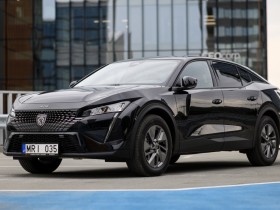 Flexibility: build your own schedule. Stop at Ninth Fort, Pažaislis Monastery, Raudondvaris Manor—or detour to Trakai on the way to Vilnius.
 -
Cost control: with unlimited mileage inside Lithuania (common at Kaunas Airport), there’s no penalty for a long loop, just fuel and your daily rate.
If you plan to visit several cities or travel with family, renting car in kaunas airport often beats rideshares and intercity buses on both time and comfort.
Documents and driver requirements – keep it simple
Arrivals at KUN appreciate the light paperwork. For most providers you’ll need:
-
A valid driving licence in the Latin alphabet; if not, bring an International Driving Permit alongside your original.
-
A passport or national ID card for identification.
-
Driving experience: a minimum of two (2) years is commonly required.
-
Payment method: cards are widely accepted; some local firms also allow bank transfer or cash at pickup (check before you fly).
Tip: the name on your card and your licence should match the lead driver on the contract.
Booking and payment – deposits, advances, and when money is held
Here’s a typical Kaunas Airport setup you may encounter:
-
Reservation confirmation: a small advance payment (about €50) locks in your car. If you cancel late or don’t show, that advance is non-refundable.
-
Security deposit: taken at pickup, amount varies by vehicle age and category. A frequent structure is €400 for newer models and around €150 for older cars.
-
No-deposit option: if you select full insurance that waives your excess, many providers skip the deposit altogether.
-
Payment options: credit/debit card is standard; bank transfer or cash on arrival can be available by prior agreement.
Why it matters: knowing the deposit and advance ahead of time helps you choose the right card (or insurance level) and avoid surprises at the counter.
Insurance and liability: translate the fine print
Lithuanian rentals typically include:
-
Mandatory third-party liability and comprehensive (CASCO) cover.
-
A standard excess (often around €800) for damage—the amount you’d contribute if something goes wrong.
-
Full-cover upgrade: pay a daily fee, reduce your liability to €0; popular if you want to avoid holding a deposit.
-
Reporting rule: accidents, scratches and incidents are usually reported within 24 hours; late reporting can void coverage.
-
Exclusions: damage from off-road use, racing, or using the car for lessons is not covered.
-
Lost keys/documents: expect a fixed fee (commonly €200) if you misplace either.
Practical choice: if you prefer not to tie up a deposit, full cover is the most convenient route. If you’re comfortable with an excess and want a lower daily rate, stick to the standard plan.
Mileage, routes and cross-border rules
One of the nicest parts about renting in Kaunas: no mileage limits within Lithuania with many local companies. That means Vilnius–Kaunas–Klaipėda in one loop is fair game.
Heading abroad? Check three points before you book:
-
Eligibility: international trips are usually allowed only in vehicles still under manufacturer’s warranty.
-
Daily distance: for cross-border journeys, providers often cap mileage per day, e.g., 300 km for passenger cars and 500 km for vans, with a per-kilometre fee above the cap.
-
Where you’re going: the Baltic neighbours (Latvia, Estonia) and Poland are common routes; always list the countries on your agreement.
Fuel, tolls and extras to remember:
-
Fuel policy: full-to-full is standard—return with the same level you received.
-
Highway fees: Lithuanian motorways are toll-free for passenger cars. If you drive to the Curonian Spit (Neringa), budget for ferry and local ecological entry fees.
-
Winter equipment: providers seasonally fit winter tyres; follow posted speed limits (they change between summer and winter on expressways/motorways).
Pick-up, return and after-hours
Where to go: after you exit arrivals, follow airport signs to the Car Rental Centre near the terminal. Many desks are clustered there; vehicles are parked in marked lots a short walk away. For returns, providers usually indicate a signed return area by the terminal (often near short-stay parking); follow the handover instructions in your contract.
After-hours service: late-night or early-morning pickup/return is possible by prior arrangement and may include a small service fee. Agree the time and exact location in writing (SMS or email).
Running late? Common policy is:
-
Up to 1 hour late: grace period or €10 per hour, depending on your agreement.
-
Over 3 hours late: it’s typically charged as an extra rental day.
These rules protect both sides: you get a fair window; the next renter gets a car on time.
Smart routes from Kaunas Airport (KUN) – make the most of the wheels
-
Kaunas city loop (half-day): Old Town (Town Hall Square), the Ninth Fort, and Pažaislis Monastery by the lagoon; finish in the modern centre by Laisvės alėja.
-
To Vilnius (1–1.5 hours): the A1 makes it effortless; stop in Trakai for the island castle.
-
To the Baltic coast (2.5–3 hours): Klaipėda and the Curonian Spit (ferry + ecological entry). Keep an eye on parking rules in Nida during summer.
-
Spa day (2 hours): Druskininkai via A16/A4—well-signed and scenic.
All of these are doable in a day from Kaunas with a car and a flexible plan.
Safety and road etiquette: quick Lithuania refresher
-
Lights on, always: daytime running lights are mandatory.
-
Seasonal speeds: motorways/expressways allow higher limits in summer than in winter—follow posted signs.
-
Winter prep: cars come on seasonal tyres; drive to conditions, not just limits.
-
Breakdown basics: put on a reflective vest, set the warning triangle, and call roadside assistance (24/7 is standard with airport rentals).
FAQ about renting car in kaunas airport
1) Can I really avoid a deposit? Yes—if you choose a full-cover package that waives the excess, several local companies allow pickup with no deposit. Otherwise, expect a hold of €150–€400 depending on car age and class.
2) What if I only have a debit card? Many desks accept it for payment; some still prefer a credit card for the deposit. If you pick the no-deposit full cover, a debit card often works fine—confirm before booking.
3) Is mileage unlimited? Inside Lithuania—usually yes. For international trips, a daily cap (for example, 300 km cars / 500 km vans) is common, with a small fee for extra kilometres.
4) Can I cross into Latvia, Estonia or Poland? Often yes, in vehicles still under manufacturer warranty. You must list countries on your rental, and different mileage rules may apply.
5) What’s the fuel policy? Full-to-full: return with the same level you received to avoid refuelling charges.
6) How do late returns work? Tell the provider as soon as plans change. Past an agreed grace period, expect €10 per extra hour; more than 3 hours late is typically another rental day.
7) What if I lose the key or documents? You’ll pay a fixed fee (commonly €200); roadside help will arrange a solution.
8) Do I need winter tyres? Your rental will be equipped seasonally. In winter months, Lithuania requires winter or M+S tyres; the car you collect at KUN will match the legal season.
Final checklist for renting car in kaunas airport
-
Before you fly: book early; choose insurance level (deposit vs no-deposit); add extras (child seats, second driver).
-
At pickup: bring licence + ID; confirm fuel level, mileage rules, countries, and return location/time; inspect and photograph the car.
-
On the road: keep the contract, assistance number and traffic rules handy; refuel near the airport before returning.
-
At return: photos of bodywork and gauges, keys inside as instructed, ask for/email the final confirmation.